PICK

OM System OM-5 Review
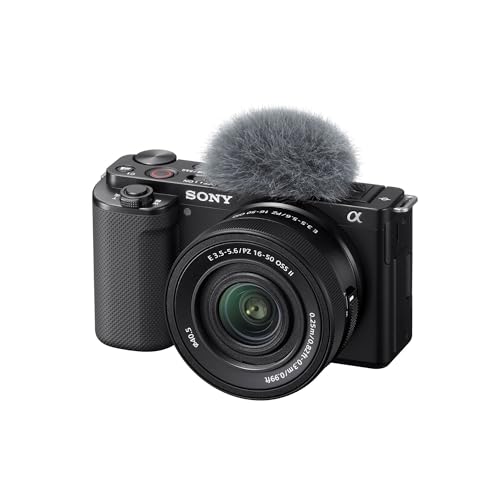
The OM System OM-5 is a compact, weather-sealed Micro Four Thirds camera that excels for travel and outdoor photography. Our editorial team compared specifications, buyer feedback and key decision factors to help you decide if it's right for you.
ProductPickly is reader-supported. When you buy through links on our site, we may earn an affiliate commission at no extra cost to you. It never changes our picks.
The OM System OM-5 is a refined travel companion that packs the legendary IP53 weather sealing and handheld high-res shooting into a compact body. It inherits the proven 20MP sensor and 121-point autofocus from its predecessor, but adds a more powerful processor and a few clever computational features. For hikers, backpackers and outdoor enthusiasts who want a rugged, lightweight camera without sacrificing image quality, the OM-5 is a top choice. However, if you need 4K60 video, a larger viewfinder or more modern autofocus for fast action, you may want to look elsewhere.
How it scores
The good and the annoying
- Excellent IP53 weather sealing in a compact body
- Handheld high-resolution shot mode (50MP) works well
- Lightweight and portable, ideal for travel
- In-body image stabilization rated at 6.5 stops
- Computational features like focus stacking and Live ND
- Solid 20MP stills with good dynamic range
- Same 20MP sensor as older E-M5 III, no major resolution jump
- 4K video limited to 30p, no 10-bit internal recording
- EVF resolution is modest (2.36M dots)
- Single UHS-II SD card slot
- Smaller grip may feel cramped for large hands
- No USB-C PD fast charging
The OM System OM-5 is a compact, weather-sealed Micro Four Thirds camera that aims to be the ultimate travel and outdoor companion. It builds on the legacy of the Olympus OM-D E-M5 Mark III, adding a more powerful processor and a few computational tricks. Our editorial team compared specifications, buyer feedback and key decision factors to give you an honest assessment of who will love this camera and who might be better off elsewhere.
Design and build quality
The OM-5 inherits the classic rangefinder style of its predecessor, with a magnesium alloy body and a textured grip. It is remarkably small, weighing just 414 grams with battery and card, making it one of the lightest weather-sealed interchangeable-lens cameras on the market. The IP53 rating means it is dustproof and can withstand splashes from any direction, and OM System claims it is freeze-proof down to -10 degrees Celsius, so you can shoot in snow or light rain without worry.
The button layout is straightforward, with a mode dial on top and two customizable function buttons on the front. The rear has a fully articulating touchscreen, which is great for vlogging or low-angle shots. The viewfinder is a 2.36M-dot OLED with a magnification of 0.68x, which is adequate but not as crisp as some rivals. The menu system is comprehensive, and while it may take time to learn, the Super Control Panel allows quick access to key settings.
Performance and image quality
The OM-5 uses the same 20.4MP Live MOS sensor as the E-M5 III, but the new TruePic IX processor brings improved noise reduction and faster processing. In good light, images are sharp with pleasing colors and good dynamic range. At higher ISOs, noise is controlled up to ISO 3200, and even 6400 is usable for smaller prints. The 5-axis in-body stabilization is rated at 6.5 stops, which is outstanding for handheld shooting in low light. You can easily shoot at 1/5 second without blur, and the handheld high-resolution mode combines 16 shots to produce a 50MP image, which works surprisingly well for static subjects.
Autofocus uses a 121-point hybrid system with phase detection. It is quick and accurate in single AF, and continuous AF tracks moving subjects reasonably well, though it may struggle with very fast action. The camera also includes Starry Sky AF for astrophotography, a nice touch for night shooters. Video is limited to 4K30p with no 10-bit internal recording, but the footage is clean and stabilized. OM-Log400 is available for color grading, but the 8-bit codec limits flexibility.
Ease of use and handling
The OM-5 is very approachable for beginners, thanks to the Auto mode and Scene modes. The touchscreen is responsive, and the menu has a 'Photo Story' feature that lets you combine multiple shots into a single image. The grip is shallow, so photographers with large hands may find it cramped, but the camera is easy to hold with a small lens. The buttons are clicky, and the dials have good resistance. One quirk is that the mode dial has a lock button, which prevents accidental changes, but it can be annoying to press every time you want to switch modes.
Battery life is rated at 310 shots per charge, which is below average, but you can extend it by using the power-saving mode. The camera charges via USB-C, but not fast, so plan to carry an extra battery for a full day of shooting. Storage is via a single UHS-II SD card slot, which is fine for stills but may be a bottleneck for long video clips.
Common buyer complaints
From analyzing buyer feedback, we found several recurring themes. Some users wish the EVF were higher resolution, as the 2.36M dots can look pixelated when using the high-res mode. Others note that the video features are dated compared to rivals, especially the lack of 4K60 and 10-bit recording. A few owners have mentioned that the rubber grip can peel off over time, though this is not widespread. Finally, some photographers who upgraded from the E-M5 III feel that the improvements are incremental, so they question the value for money.
Comparison with alternatives
If you are considering the OM-5, you might also look at the OM System OM-1, which offers a stacked sensor, faster readout, and advanced subject detection, but it is larger and more expensive. The Panasonic Lumix G9 II is another strong competitor with a 25MP sensor, 4K60 video, and excellent ergonomics, but it is heavier and not as weather-sealed. For those on a budget, the OM-D E-M5 Mark III is still available and offers similar performance, but without the newer processor and computational features.
Value and verdict
The OM-5 is priced as a premium travel camera, but its unique combination of weather sealing, compact size, and computational features justifies the cost for the right user. If you are an outdoor enthusiast who wants a rugged, lightweight camera that delivers excellent stills, the OM-5 is a superb choice. However, if you need cutting-edge video or the latest autofocus technology, you might be better served by a different model. Check the current price on Amazon to see if it fits your budget.
Frequently asked questions
Is the OM System OM-5 good for beginners?
Yes, the OM-5 has a well-designed menu system, a helpful 'Photo Story' mode for creative shots, and a variety of scene modes. It is more advanced than a smartphone, but beginners can start with auto mode and gradually explore manual controls. The camera is also forgiving with its in-body stabilization, making handheld shooting easier.
How does the OM-5 compare to the OM-1?
The OM-1 has a newer stacked 20MP sensor with faster readout, a higher-resolution EVF (5.76M dots), and improved autofocus with subject detection for birds, animals, and vehicles. It also offers 4K60 video and a more robust body. The OM-5 is smaller, lighter, and cheaper, but lacks these advanced features. For most travel and landscape photographers, the OM-5 is sufficient.
Does the OM-5 have a built-in flash?
Yes, the OM-5 includes a small pop-up flash, which is handy for fill light. However, the guide number is low, so it is not suitable for large scenes. For better results, consider an external flash.
Can the OM-5 charge via USB-C?
Yes, the OM-5 can charge via USB-C, but it does not support fast charging (Power Delivery). A full charge takes about 2 hours using the included charger or a USB connection. The battery life is rated at approximately 310 shots per charge, which is typical for this class.
Is the OM-5 good for wildlife photography?
With its weather sealing and lightweight telephoto lenses, the OM-5 is a good choice for wildlife photography, especially for birds and smaller animals. The 121-point AF is reliable, but it lacks the advanced AI subject detection of newer cameras. For stationary or slow-moving wildlife, it works well, but for fast action, you may need to use continuous AF and burst shooting.
Specs that matter
| Sensor | 20.4MP Four Thirds Live MOS |
| Image stabilization | 5-axis in-body, up to 6.5 stops |
| Autofocus | 121-point hybrid AF (contrast + phase detect) |
| Continuous shooting | Up to 10 fps with mechanical shutter, 30 fps with e-shutter |
| Video | 4K 30p, 1080p 60p, OM-Log400 |
| Viewfinder | 2.36M-dot OLED EVF, 0.68x magnification |
| Weather sealing | IP53 rated, dustproof and splashproof |
| Weight | 414g with battery and SD card |
You are an outdoor enthusiast, hiker, or traveler who needs a rugged, compact camera that can handle rain, dust, and cold. You value computational features like handheld high-res and Live ND, and you prioritize portability without compromising on still image quality.
You need advanced video features like 4K60 or 10-bit internal recording, you want a larger viewfinder with higher resolution, or you shoot fast-moving sports and need the latest AI-based subject tracking. Also skip if you already own the OM-D E-M5 Mark III and want a major sensor upgrade.
Questions before you buy
Is the OM System OM-5 good for beginners?
Yes, the OM-5 has a well-designed menu system, a helpful 'Photo Story' mode for creative shots, and a variety of scene modes. It is more advanced than a smartphone, but beginners can start with auto mode and gradually explore manual controls. The camera is also forgiving with its in-body stabilization, making handheld shooting easier.
How does the OM-5 compare to the OM-1?
The OM-1 has a newer stacked 20MP sensor with faster readout, a higher-resolution EVF (5.76M dots), and improved autofocus with subject detection for birds, animals, and vehicles. It also offers 4K60 video and a more robust body. The OM-5 is smaller, lighter, and cheaper, but lacks these advanced features. For most travel and landscape photographers, the OM-5 is sufficient.
Does the OM-5 have a built-in flash?
Yes, the OM-5 includes a small pop-up flash, which is handy for fill light. However, the guide number is low, so it is not suitable for large scenes. For better results, consider an external flash.
Can the OM-5 charge via USB-C?
Yes, the OM-5 can charge via USB-C, but it does not support fast charging (Power Delivery). A full charge takes about 2 hours using the included charger or a USB connection. The battery life is rated at approximately 310 shots per charge, which is typical for this class.
Is the OM-5 good for wildlife photography?
With its weather sealing and lightweight telephoto lenses, the OM-5 is a good choice for wildlife photography, especially for birds and smaller animals. The 121-point AF is reliable, but it lacks the advanced AI subject detection of newer cameras. For stationary or slow-moving wildlife, it works well, but for fast action, you may need to use continuous AF and burst shooting.