Lenses
Nikon Z Lenses: Top Picks for Every Photographer
7 picks compared
6 min read
ProductPickly is reader-supported. When you buy through links on our site, we may earn an affiliate commission at no extra cost to you. It never changes our picks.
The short answerThe Nikon NIKKOR Z 24-70mm f/2.8 S is the top overall choice, with the NIKKOR Z 50mm f/1.8 S as the best prime, and the NIKKOR Z 70-200mm f/2.8 VR S as the best telephoto zoom.
?How we pickedWe compare published specifications, safety certifications and thousands of verified owner reviews, and we do not physically test every unit. Read the full process in our review methodology.
Nikon NIKKOR Z 24-70mm f/2.8 S
★★★★★ 4.9 / 5 Best overall standard zoom
This is the workhorse zoom for professionals. It covers the essential 24-70mm range with a constant f/2.8 aperture. Owners praise its sharpness across the frame, even wide open.
Focal Length 24-70mmAperture f/2.8Filter Size 82mmWeight 805g
- Exceptional sharpness
- Weather-sealed build
- Fast, quiet autofocus
Best for: Best overall standard zoom
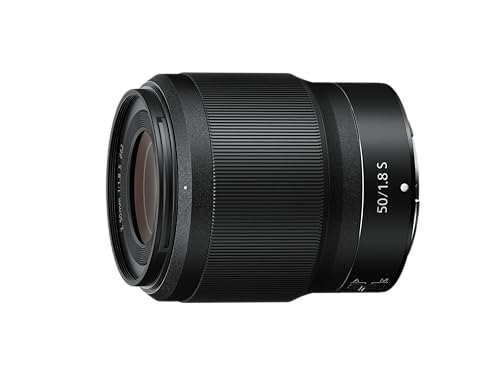
Nikon NIKKOR Z 50mm f/1.8 S
★★★★★ 4.9 / 5 Best prime lens
A standard prime that delivers stunning image quality. The f/1.8 aperture allows for beautiful bokeh and low-light shooting. It is a compact, lightweight option for everyday use.
Focal Length 50mmAperture f/1.8Filter Size 62mmWeight 415g
- Tack sharp images
- Beautiful bokeh
- Compact and light
- No image stabilization
- Plastic build
Best for: Best prime lens
Nikon NIKKOR Z 70-200mm f/2.8 VR S
★★★★★ 4.9 / 5 Best telephoto zoom
This lens is a staple for sports and wildlife photographers. It offers a versatile zoom range with a fast, constant aperture. Vibration reduction helps steady shots at long focal lengths.
Focal Length 70-200mmAperture f/2.8Filter Size 77mmWeight 1440g
- Excellent image stabilization
- Fast, accurate autofocus
- Weather-sealed
Best for: Best telephoto zoom
Nikon NIKKOR Z 14-24mm f/2.8 S
★★★★★ 4.9 / 5 Best wide-angle zoom
A superb ultra-wide zoom for landscapes and architecture. The f/2.8 aperture is great for astrophotography. It features a front element that is protected by a built-in hood.
Focal Length 14-24mmAperture f/2.8Filter Size 112mm (rear)Weight 650g
- Outstanding sharpness
- Fast aperture
- Compact for its class
- Bulbous front element
- No filter thread
Best for: Best wide-angle zoom
Nikon NIKKOR Z 85mm f/1.8 S
★★★★★ 4.9 / 5 Best portrait prime
A dedicated portrait lens with a flattering focal length. The f/1.8 aperture creates creamy bokeh and sharp subject isolation. It is lighter and more affordable than an f/1.2 version.
Focal Length 85mmAperture f/1.8Filter Size 67mmWeight 470g
- Beautiful bokeh
- Sharp at f/1.8
- Compact size
Best for: Best portrait prime
Nikon NIKKOR Z 24-200mm f/4-6.3 VR
★★★★★ 4.8 / 5 Best travel zoom
A versatile superzoom for travelers who want one lens for everything. It covers wide to telephoto, saving weight and space. Vibration reduction helps in low light.
Focal Length 24-200mmAperture f/4-6.3Filter Size 67mmWeight 570g
- Huge zoom range
- Lightweight
- VR included
- Variable aperture
- Soft at telephoto end
Best for: Best travel zoom
Nikon NIKKOR Z 40mm f/2
★★★★★ 4.8 / 5 Best budget lens
A pancake-style prime that is perfect for street photography and everyday carry. The f/2 aperture is fast for the price. It is one of the most affordable Z lenses available.
Focal Length 40mmAperture f/2Filter Size 52mmWeight 170g
- Very affordable
- Compact and light
- Good image quality
Best for: Best budget lens
Choosing the right Z lens depends on your subject, budget, and style. We compared specs, owner feedback, and use-case fit to narrow down the best options.
Focal Length and Zoom Range
Focal length determines your angle of view and magnification. Prime lenses have a fixed focal length, while zooms offer flexibility. For general use, a 24-70mm zoom covers wide to short telephoto. Consider a 50mm prime for portraits or a 70-200mm for sports and wildlife.
Aperture and Low Light Performance
Aperture controls light and depth of field. A wider aperture like f/1.8 lets in more light and creates a shallower depth of field. This is ideal for portraits and low-light shooting. Constant aperture zooms maintain the same f-stop across the zoom range, which is important for video.
Image Stabilization
Image stabilization reduces camera shake, allowing slower shutter speeds. Nikon Z cameras have in-body stabilization, but lenses with VR offer additional help. This is especially useful for telephoto lenses and handheld video. Check if your camera body already has IBIS before buying a VR lens.
Build Quality and Weather Sealing
Professional lenses are built to withstand dust and moisture. Weather-sealing protects against the elements, but it is not a guarantee of waterproofing. Look for metal mounts and durable barrels. Consider the weight and size, as larger lenses may be cumbersome for travel.
Questions people ask
What is the best Nikon Z lens for beginners?
The NIKKOR Z 24-200mm f/4-6.3 VR is a great starting point. It covers a wide range of focal lengths, so you can experiment without buying multiple lenses. The NIKKOR Z 40mm f/2 is also a budget-friendly prime that is easy to use.
Which Nikon Z lens is best for portraits?
The NIKKOR Z 85mm f/1.8 S is a top choice for portraits. Its focal length flatters facial features, and the wide aperture creates beautiful bokeh. The NIKKOR Z 50mm f/1.8 S is also excellent for environmental portraits.
Is the Nikon Z 24-70mm f/2.8 worth it?
Yes, for professionals and serious enthusiasts. It offers outstanding sharpness and a fast, constant aperture. It is a heavy investment, but it can replace several primes in your kit.
Can I use F-mount lenses on a Z camera?
Yes, with the FTZ adapter. Nikon's FTZ adapter allows you to use F-mount lenses on Z cameras. Autofocus and VR may work, but performance varies by lens. Some older lenses may not be fully compatible.
What is the difference between S-line and non-S-line Z lenses?
S-line lenses are Nikon's premium tier, designed for maximum optical performance and build quality. They often feature faster apertures and better weather sealing. Non-S-line lenses are more affordable and compact, but may have some optical compromises.
How do I choose between f/1.8 and f/1.2 primes?
f/1.2 lenses offer even better low-light performance and shallower depth of field. They are also larger, heavier, and more expensive. f/1.8 primes are lighter and more affordable, while still delivering excellent image quality.
Which Nikon Z lens is best for video?
The NIKKOR Z 24-70mm f/2.8 S is popular for video due to its constant aperture and smooth autofocus. The NIKKOR Z 14-24mm f/2.8 S is also great for vlogging and wide shots. Consider lenses with minimal focus breathing for professional work.
Are third-party lenses available for Nikon Z?
Yes, brands like Tamron and Sigma offer Z-mount lenses. They can be more affordable than Nikon's own lenses. However, autofocus and compatibility may vary, so check reviews and firmware updates.
What does 'VR' mean on a Nikon lens?
VR stands for Vibration Reduction, Nikon's image stabilization technology. It helps reduce blur caused by camera shake. This is especially useful when shooting handheld at slower shutter speeds or with telephoto lenses.
How important is weather sealing in a lens?
Weather sealing is crucial if you shoot in rain, dust, or snow. It protects the internal components from moisture and particles. It is not a guarantee of waterproofing, but it adds durability. For outdoor photographers, it is a valuable feature.
The bottom lineSo which one?
The best Nikon Z lens depends on your needs. For most photographers, the 24-70mm f/2.8 S is the ultimate all-rounder. If you are on a budget, the 40mm f/2 is a fantastic value.