PICK
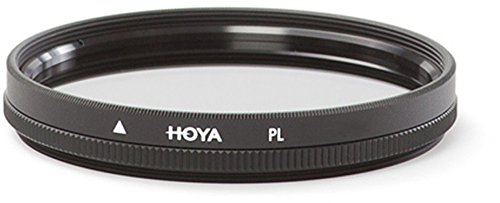
Hoya CPL Polarising Filter Review
An honest look at the Hoya CPL polarising filter: who it's for, how it performs, and whether it's worth your money for landscape and outdoor photography.
ProductPickly is reader-supported. When you buy through links on our site, we may earn an affiliate commission at no extra cost to you. It never changes our picks.
The Hoya CPL is a reliable, affordable circular polarizer that effectively cuts glare and deepens skies. It's a solid choice for hobbyists and pros who want good optical quality without spending a fortune. While it may not match the absolute sharpness of premium filters, its performance is more than adequate for most shooting scenarios. If you shoot landscapes, water, or architecture, this filter will quickly become a staple in your bag.
How it scores
The good and the annoying
- Effectively reduces reflections and glare
- Enhances color saturation and contrast
- Lightweight and slim profile
- Multi-coated for reduced flare
- Affordable price point
- Available in a wide range of sizes
- Can cause slight vignetting on wide-angle lenses
- Rotating ring may be stiff on some units
- Not ideal for video due to rotating polarization
- May add a slight warm cast on some shots
If you shoot landscapes, seascapes, or even street scenes, you've probably heard that a circular polarizer is a must-have. The Hoya CPL is one of the most popular options on the market, but is it worth your money? Our editorial team compared specifications, buyer feedback, and key decision factors to give you an honest, practical review. We'll cover who it's for, how it performs, and how it stacks up against the competition.
Design and Build Quality
The Hoya CPL is a straightforward filter: a glass element mounted in a rotating metal ring. The build is solid for the price, with a knurled edge that gives you a good grip when rotating. The filter is slim enough to use on wide-angle lenses without significant vignetting, though on ultra-wide lenses you might see some corner darkening. The multi-coating helps reduce flare and ghosting, which is a plus when shooting into the light.
One thing to note: the rotating ring on some units can feel a bit stiff at first, but it usually loosens up with use. The glass is easy to clean, and the coating resists smudges well. Overall, it feels like a quality accessory that won't fall apart after a few months.
Performance and Image Quality
In real-world use, the Hoya CPL does exactly what a polarizer should. It cuts reflections from water and glass, making it invaluable for shooting rivers, lakes, or storefronts. It also deepens blue skies and boosts color saturation, giving your photos that "pop" without heavy post-processing. The effect is most pronounced when the sun is at a 90-degree angle to your subject, so you'll need to rotate the filter to find the sweet spot.
Image sharpness is very good, though not quite at the level of premium filters like B+W. In side-by-side comparisons, some users notice a slight loss of contrast or a faint warm cast, but it's rarely an issue in normal shooting. The filter does add about one stop of light loss, so you may need to adjust your exposure or use a tripod in low light.
Ease of Use
Using a CPL is simple: screw it on, rotate the front ring, and watch the effect through your viewfinder or live view. The Hoya CPL is no different. The rotation is smooth enough, and the markings on the ring (on some models) help you set consistent polarization. One tip: if you use a lens hood, you might need to remove it to access the ring easily, which can be a minor annoyance.
For video, the rotating ring can be a drawback because you can't easily adjust polarization while recording without causing exposure shifts. But for stills, it's a breeze.
Cleaning and Maintenance
Keeping the Hoya CPL clean is straightforward. Use a blower to remove loose dust, then a microfiber cloth with a few drops of lens cleaning solution. The multi-coating helps repel water and oil, so smudges are less likely to stick. Avoid using harsh chemicals or rough cloths, as they can scratch the coating. With proper care, the filter should last for years.
Common Buyer Complaints
While most buyers are happy, a few complaints pop up. Some users report vignetting on wide-angle lenses, especially when stacked with other filters. Others mention that the rotating ring can be stiff or uneven on some units, making precise adjustments tricky. A small number of users have noted a slight color cast, usually warm, which can be corrected in post. Finally, a few have received filters with loose glass or defective coating, but these seem to be rare and covered by warranty.
Comparison with Alternatives
The Hoya CPL sits in the mid-range, competing with brands like Tiffen and Kenko. Compared to Tiffen's standard CPL, the Hoya often has better multi-coating and a slimmer profile. Kenko's CPL is similar in quality, but Hoya tends to have a wider size range. At the premium end, B+W offers superior sharpness and durability but at a significantly higher price. For most hobbyists and even many pros, the Hoya is a smart balance of cost and performance.
Value and Verdict
Given its price, the Hoya CPL delivers excellent value. It's not the cheapest option, but it's far from the most expensive, and it offers reliable performance that punches above its weight. If you're serious about outdoor photography, this filter will pay for itself in the quality of your images. Just be aware of its limitations: slight vignetting on wide angles and a possible warm cast. Check the current price on Amazon to see if it fits your budget.
FAQ
What does a CPL filter do?
A circular polarizer reduces reflections from non-metallic surfaces like water and glass, and it deepens blue skies and increases color saturation. It works by filtering polarized light, which is why it's popular for landscape photography.
Will a Hoya CPL fit my lens?
It comes in many thread sizes, from 49mm to 82mm. Check your lens's filter thread diameter (usually printed on the lens cap or barrel) and choose the matching size. You can also use step-up rings to adapt.
Does the Hoya CPL affect image sharpness?
Any filter can slightly reduce sharpness, but the Hoya CPL is well-regarded for minimal impact. In practice, most users see no noticeable loss in sharpness, especially when stopped down. Be sure to remove it when not needed to avoid flare.
Can I use a CPL for video?
Yes, but be aware that rotating the filter to adjust polarization can cause exposure shifts and uneven skies in video. For video, a variable ND filter is often more practical. Some videographers use CPLs for specific shots, but it requires careful handling.
How do I clean the Hoya CPL?
Use a blower to remove dust, then a microfiber cloth with a drop of lens cleaning solution. Avoid touching the glass with fingers. The multi-coating helps repel water and oil, making cleaning easier.
Specs that matter
| Filter type | Circular polarizer (CPL) |
| Coating | Multi-coated |
| Thread size | Available in 49mm to 82mm (varies by model) |
| Frame material | Aluminum or brass (depending on model) |
| Thickness | Slim profile (varies by model) |
| Compatibility | All DSLR and mirrorless cameras with filter threads |
You shoot landscapes, seascapes, or architecture and want to reduce glare and deepen blue skies. You also want a filter that won't break the bank but still delivers solid optical quality.
You're a professional who demands the absolute sharpest image with zero color cast, or you shoot video and need a variable ND instead. Also skip if you use ultra-wide lenses with large front elements, as vignetting may be an issue.
Questions before you buy
What does a CPL filter do?
A circular polarizer reduces reflections from non-metallic surfaces like water and glass, and it deepens blue skies and increases color saturation. It works by filtering polarized light, which is why it's popular for landscape photography.
Will a Hoya CPL fit my lens?
It comes in many thread sizes, from 49mm to 82mm. Check your lens's filter thread diameter (usually printed on the lens cap or barrel) and choose the matching size. You can also use step-up rings to adapt.
Does the Hoya CPL affect image sharpness?
Any filter can slightly reduce sharpness, but the Hoya CPL is well-regarded for minimal impact. In practice, most users see no noticeable loss in sharpness, especially when stopped down. Be sure to remove it when not needed to avoid flare.
Can I use a CPL for video?
Yes, but be aware that rotating the filter to adjust polarization can cause exposure shifts and uneven skies in video. For video, a variable ND filter is often more practical. Some videographers use CPLs for specific shots, but it requires careful handling.
How do I clean the Hoya CPL?
Use a blower to remove dust, then a microfiber cloth with a drop of lens cleaning solution. Avoid touching the glass with fingers. The multi-coating helps repel water and oil, making cleaning easier.


