Digital Cameras
Digital Cameras: Top Picks for Every Photographer
7 picks compared
6 min read
ProductPickly is reader-supported. When you buy through links on our site, we may earn an affiliate commission at no extra cost to you. It never changes our picks.
The short answerThe Sony A7 IV leads for full-frame versatility, the Canon EOS R6 Mark II excels in autofocus and speed, and the Fujifilm X-T5 offers superb image quality in a compact body. These three top our list for different reasons.
?How we pickedWe compare published specifications, safety certifications and thousands of verified owner reviews, and we do not physically test every unit. Read the full process in our review methodology.
Sony A7 IV
★★★★★ 4.8 / 5 Best overall full-frame camera
The Sony A7 IV pairs a 33MP full-frame sensor with class-leading autofocus. It shoots 4K60 video with 10-bit color. The body is weather-sealed and has a fully articulating touchscreen.
Sensor 33MP Full-Frame CMOSAutofocus 759-point phase detectVideo 4K60 10-bitWeight 1.46 lb (body only)
- Excellent autofocus
- Great image quality
- Strong video features
Best for: Best overall full-frame camera
Canon EOS R6 Mark II
★★★★★ 4.8 / 5 Best for action and autofocus
The Canon EOS R6 Mark II shoots 40fps with a silent electronic shutter. Its dual-pixel autofocus tracks people and animals reliably. The 24MP sensor delivers clean high-ISO images.
Sensor 24.2MP Full-Frame CMOSBurst rate 40 fps electronicVideo 4K60 oversampledWeight 1.5 lb (body only)
- Blazing fast burst
- Top-tier autofocus
- Excellent ergonomics
- Lower resolution than rivals
- Battery life could be better
Best for: Best for action and autofocus
Fujifilm X-T5
★★★★★ 4.7 / 5 Best for travel and street photography
The Fujifilm X-T5 has a 40MP APS-C sensor and classic dials. It is small and light, making it ideal for travel. Film simulation modes add creative flair straight out of camera.
Sensor 40.2MP APS-C X-Trans CMOS 5 HRImage stabilization 5-axis IBISVideo 6.2K30 10-bitWeight 1.0 lb (body only)
- High resolution
- Compact and light
- Beautiful color science
- Smaller sensor than full-frame
- No full-frame option
Best for: Best for travel and street photography
Nikon Z50
★★★★★ 4.7 / 5 Best value APS-C mirrorless
The Nikon Z50 is a compact mirrorless camera with a 20.9MP sensor. It is weather-sealed and has a deep grip. The kit lens is sharp and versatile.
Sensor 20.9MP APS-C CMOSAutofocus 209-point hybridVideo 4K30Weight 0.9 lb (body only)
- Affordable
- Good image quality
- Weather-sealed
- Limited lens selection
- No in-body stabilization
Best for: Best value APS-C mirrorless
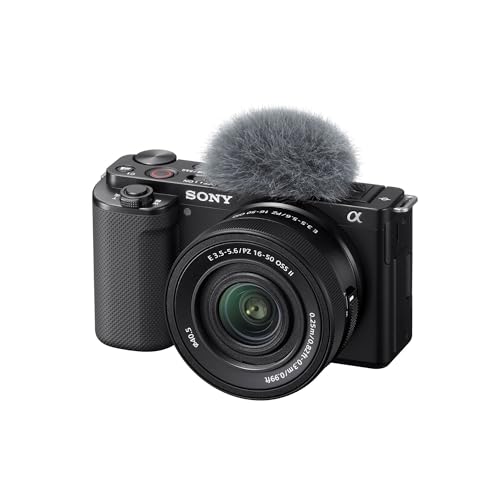
Sony ZV-E10
★★★★★ 4.6 / 5 Best for vlogging and content creation
The Sony ZV-E10 is a mirrorless camera designed for vloggers. It has a flip-out screen and a built-in directional mic. The 24MP APS-C sensor delivers solid video and stills.
Sensor 24.2MP APS-C CMOSVideo 4K30Screen Fully articulating touchWeight 0.8 lb (body only)
- Great for vlogging
- Good autofocus
- Compact
- No viewfinder
- Plastic build
Best for: Best for vlogging and content creation
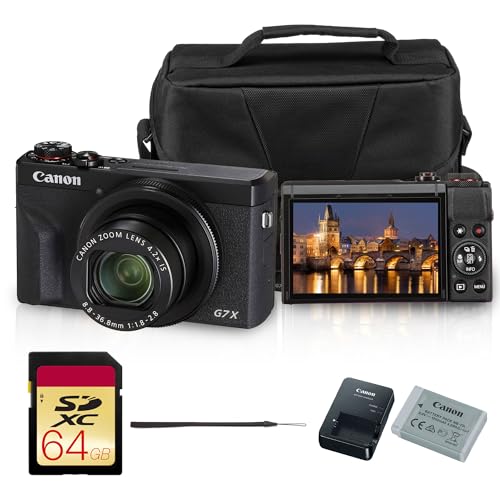
Canon PowerShot G7 X Mark III
★★★★★ 4.6 / 5 Best premium compact camera
The Canon PowerShot G7 X Mark III fits in a pocket yet has a 1-inch sensor. It shoots 4K video and has a flip-up touchscreen. Popular among vloggers and travelers.
Sensor 20.1MP 1-inch CMOSLens 24-100mm f/1.8-2.8Video 4K30Weight 0.8 lb
- Very portable
- Fast lens
- Good video
- No viewfinder
- Battery life is short
Best for: Best premium compact camera
Panasonic Lumix GH6
★★★★★ 4.7 / 5 Best for video professionals
The Panasonic Lumix GH6 is a Micro Four Thirds camera built for video. It records 5.7K30 and 4K120 internally. The body is rugged and has active cooling for long shoots.
Sensor 25.2MP Micro Four ThirdsVideo 5.7K30 10-bitStabilization 5-axis IBISWeight 1.6 lb (body only)
- Outstanding video specs
- Reliable autofocus (contrast-detect)
- Durable build
- Smaller sensor
- Large and heavy for MFT
Best for: Best for video professionals
We compared key specifications, owner feedback, and use-case fit. Our picks cover different needs and budgets.
Sensor size and resolution
Sensor size matters more than megapixels. Full-frame sensors excel in low light and offer shallow depth of field. APS-C and Micro Four Thirds are smaller and lighter. Resolution affects cropping and printing. More megapixels are not always better. Higher resolution can mean larger files and lower high-ISO performance.
Autofocus and burst speed
Autofocus systems vary widely. Phase-detect and hybrid systems track moving subjects well. Eye detection is now standard. Burst speed matters for action and sports. Look for at least 10fps for fast scenes. Some cameras offer 20fps or more with electronic shutters.
Video capabilities
Most modern cameras shoot 4K video. Check for frame rates and bit depth. 10-bit color gives more grading flexibility. In-body stabilization helps handheld shots. Microphone and headphone jacks are important for serious videographers. Consider the GH6 for professional video work.
Lens ecosystem and portability
Lenses are a long-term investment. Canon and Sony have extensive lens lineups. Fujifilm and Nikon are growing. Micro Four Thirds offers compact lenses. Think about the weight you are willing to carry. A smaller camera is more likely to be with you.
Questions people ask
What is the best digital camera for beginners?
The Nikon Z50 is a great entry-level mirrorless camera. It is easy to use and affordable. The Sony ZV-E10 is also good if you plan to vlog.
How do I choose between a mirrorless and a DSLR?
Mirrorless cameras are newer and lighter. They have electronic viewfinders and faster burst rates. DSLRs have optical viewfinders and longer battery life. Most new models are mirrorless.
Is a full-frame camera worth the extra money?
Full-frame cameras offer better low-light performance and shallower depth of field. They are larger and more expensive. If you shoot professionally or in low light, they are worth it. Otherwise, APS-C is a good balance.
What is the best camera for vlogging?
The Sony ZV-E10 is a top pick for vlogging. It has a flip screen and good autofocus. The Canon G7 X Mark III is also popular for its portability.
How many megapixels do I need?
For most people, 20 to 30 megapixels is plenty. You can print large and crop. More megapixels help for wildlife and landscape. But they also create larger files.
Can I use my old DSLR lenses on a mirrorless camera?
Yes, with an adapter. Many brands offer adapters for their own lenses. Autofocus and image quality may be slightly affected. Native lenses work best.
What is the difference between optical and electronic viewfinders?
Optical viewfinders show a direct view through the lens. Electronic viewfinders show a digital preview. EVFs can show exposure and focus peaking. They are common on mirrorless cameras.
Is it better to buy a camera with a kit lens?
Kit lenses are versatile and affordable. They are good for beginners. But they are not the sharpest. You can upgrade later to a prime lens for better quality.
The bottom lineSo which one?
The Sony A7 IV is the best all-around camera for most photographers. For action and speed, the Canon EOS R6 Mark II is unbeatable. Budget-minded buyers should consider the Nikon Z50.