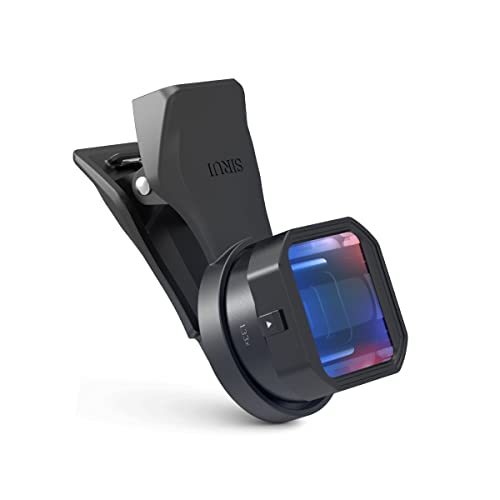
Clip-on camera lenses are a simple way to upgrade your smartphone photography without buying a new phone. They can add wide-angle, macro, or telephoto capabilities that your built-in camera may lack. But with so many options, how do you choose? Our editorial team compared specifications, buyer feedback, and key decision factors to bring you this guide.
Buying Guide: What to Look For in a Clip-on Lens
Before you hit "add to cart," understand the specs that matter. Here's what separates a good clip-on lens from a gimmick.
Optical Quality
The most important factor is glass quality. Look for lenses with multiple elements and anti-reflective coatings. These reduce flaring, ghosting, and chromatic aberration. Cheap lenses often have plastic optics that produce soft, blurry images. Check for terms like "multi-coated" or "HD optical glass" in the product description.
Focal Length and Magnification
Each lens type serves a different purpose. Wide-angle lenses (typically 0.4x to 0.7x) let you fit more into the frame, ideal for landscapes and real estate. Macro lenses (10x to 15x) allow extreme close-ups of small objects. Telephoto lenses (2x to 36x) bring distant subjects closer. Consider what you shoot most and pick a lens that matches.
Mounting System
Universal clips are the most common, with spring-loaded jaws that grip your phone. They work with most models but can be bulky. Some brands like Moment use a specific case with a threaded mount, which is more secure but adds cost. Olloclip uses a slide-on design for iPhones, which is fast but model-specific. Think about whether you want a quick clip or a more stable mount.
Compatibility
Not every lens works with every phone. Check the clip's jaw width and the position of your phone's camera. Some lenses may block the camera or cause vignetting if not aligned perfectly. Read reviews from users with the same phone model to see if alignment is an issue.
Build Quality and Portability
A good lens should feel solid, not like a toy. Metal bodies are more durable than plastic. Also consider the included accessories: a carrying pouch, lens caps, and cleaning cloths are handy. If you travel, a compact lens that fits in your pocket is a plus.
Common Mistakes to Avoid
Ignoring Phone Compatibility
Buying a lens that doesn't fit your phone is a waste of money. Always measure your phone's width and check the clip's range. For iPhone-specific lenses, verify the model year. When in doubt, choose a universal clip with adjustable jaws.
Expecting Professional Quality from Budget Lenses
You get what you pay for. A $20 lens won't match a $100 lens in sharpness. If you're serious about photography, invest in a reputable brand. For casual use, a budget kit is fine, but manage your expectations.
Forgetting to Clean the Lens
Dust and fingerprints on your phone's camera or the clip-on lens will ruin your photos. Always clean both surfaces before attaching. Use a microfiber cloth and avoid harsh chemicals that can strip coatings.
Using the Wrong Lens for the Scene
Each lens has a purpose. Don't use a macro lens for a landscape, or a wide-angle for a portrait. Understand the focal length and how it affects perspective. A telephoto lens compresses distance, while a wide-angle expands it. Choose accordingly.
Overlooking the Need for a Tripod
High magnification lenses, like telephoto zoom, amplify camera shake. Even a slight movement can blur the image. Use a tripod or a stable surface when shooting at full zoom. Some lenses come with a tripod mount, which is a big help.
Final Thoughts
Clip-on lenses are a versatile accessory for any smartphone photographer. They let you experiment with different perspectives without carrying bulky gear. The key is to choose a lens that fits your phone, your budget, and your shooting style. Our top pick, the Moment 58mm, delivers outstanding quality for those willing to invest. For a more affordable option, the Xenvo Pro Kit is a reliable choice. Whichever you choose, take time to learn its strengths and limitations. Happy shooting!