Tripods and Monopods
Best Camera Tripods for Sharp Shots in 2025
7 picks compared
6 min read
ProductPickly is reader-supported. When you buy through links on our site, we may earn an affiliate commission at no extra cost to you. It never changes our picks.
The short answerThe best camera tripods are the Manfrotto Befree Advanced for travel, the Peak Design Travel Tripod for versatility, and the Vanguard Alta Pro 263AB for value. Each offers solid stability and features for different needs.
?How we pickedWe compare published specifications, safety certifications and thousands of verified owner reviews, and we do not physically test every unit. Read the full process in our review methodology.
Manfrotto Befree Advanced Aluminum Tripod
★★★★★ 4.7 / 5 Best overall
This tripod is a top choice for travel and everyday use. It folds to 16.1 inches and extends to 59.8 inches. The twist locks are smooth and reliable.
Max Height 59.8 inFolded Length 16.1 inWeight 3.4 lbLoad Capacity 17.6 lb
- Compact and lightweight
- Excellent build quality
- Smooth twist locks
- No center column hook
- Ball head is not detachable
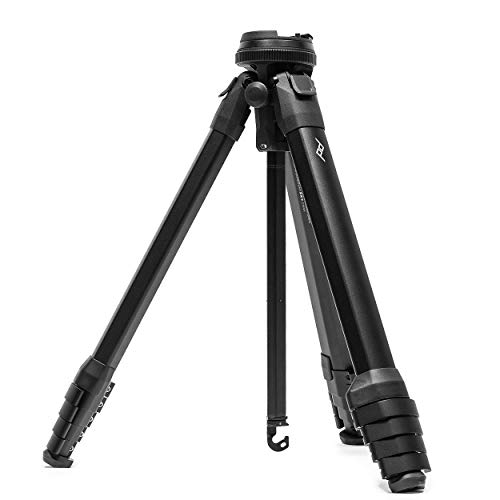
Peak Design Travel Tripod
★★★★★ 4.8 / 5 Best for travel
This tripod is designed for photographers who prioritize portability. It folds to just 15.4 inches and weighs 2.8 pounds. The aluminum build is sturdy and the ball head is integrated.
Max Height 60.2 inFolded Length 15.4 inWeight 2.8 lbLoad Capacity 20 lb
- Extremely compact
- Quick setup
- Premium feel
- Expensive
- Leg locks can be stiff
Best for: Best for travel
Vanguard Alta Pro 263AB
★★★★★ 4.6 / 5 Best value
This tripod offers a unique multi-angle center column for flexible positioning. It extends to 68.5 inches and supports up to 11 pounds. The build is solid for the price.
Max Height 68.5 inFolded Length 27.6 inWeight 5.1 lbLoad Capacity 11 lb
- Multi-angle column
- Tall maximum height
- Excellent price
- Heavier than travel models
- Head is basic
AmazonBasics 60-Inch Lightweight Tripod
★★★★★ 4.4 / 5 Best budget
This tripod is a no-frills option for beginners. It extends to 60 inches and has a fluid pan head. The plastic build is light but not very durable.
Max Height 60 inFolded Length 24.4 inWeight 2.6 lbLoad Capacity 6.6 lb
- Very affordable
- Lightweight
- Fluid pan head
- Plastic components
- Limited load capacity
Benro Mach3 Aluminum Tripod
★★★★★ 4.7 / 5 Best for landscape
This tripod is built for photographers who need maximum stability. It reaches 70.9 inches without a center column. The twist locks are durable and the legs are thick.
Max Height 70.9 inFolded Length 29.5 inWeight 5.5 lbLoad Capacity 39.7 lb
- Very tall
- High load capacity
- Stable in wind
Best for: Best for landscape
Sirui T-025X Carbon Fiber Tripod
★★★★★ 4.5 / 5 Best for hiking
This tripod is extremely light at just 1.8 pounds. It folds to 12.6 inches, making it easy to pack. The carbon fiber build is strong and vibration-resistant.
Max Height 55.1 inFolded Length 12.6 inWeight 1.8 lbLoad Capacity 13.2 lb
- Very light
- Compact folded size
- Carbon fiber strength
- Lower max height
- Small ball head
Best for: Best for hiking
Neewer 72-Inch Video Tripod
★★★★★ 4.5 / 5 Best for video
This tripod is designed for video work with a fluid head. It extends to 72 inches and has a quick-release plate. The pan and tilt are smooth and adjustable.
Max Height 72 inFolded Length 33.5 inWeight 8.8 lbLoad Capacity 17.6 lb
- Smooth fluid head
- Tall height
- Quick release plate
- Heavy
- Not for still photography
Choosing the right tripod is tricky because of trade-offs between weight, height, and cost. We focused on real specifications and what owners report in reviews.
What to look for in a camera tripod
Start with maximum height. You want a tripod that reaches your eye level without extending the center column. Check the folded length to see how portable it is. Weight matters if you carry it often. Load capacity should exceed your camera gear's weight. Leg locks can be twist or flip, both work but have different speeds. Material affects weight and price, carbon fiber is lighter but costs more.
How to choose the right tripod for your camera
Mirrorless and DSLR cameras have different weight and size needs. A tripod with a ball head is versatile for stills. A fluid head is better for video. Consider the number of leg sections, more sections mean shorter folded length but less stability. Check the base plate size to match your camera. If you use long lenses, a tripod with a gimbal head might be needed. Always match the load capacity to your heaviest setup.
Travel vs. studio tripods
Travel tripods prioritize compactness and light weight. They often have more leg sections and smaller heads. Studio tripods are heavier and taller, offering more stability. For travel, look for a tripod that fits in a backpack. For studio, height and load capacity are more important. Some tripods offer both features but at a higher price.
Aluminum vs. carbon fiber tripods
Aluminum tripods are cheaper and heavier. They are durable and good for budget. Carbon fiber tripods are lighter and absorb vibration better. They cost significantly more. For hiking, carbon fiber is worth the investment. For studio use, aluminum is fine. Consider your budget and how often you carry the tripod.
Questions people ask
What is the best camera tripod for beginners?
The AmazonBasics 60-Inch Lightweight Tripod is a good start. It is affordable and easy to use. It handles light cameras well.
How much should I spend on a camera tripod?
Budget tripods cost under Mid-range tripods cost between and Professional tripods can exceed Spend based on your gear and how often you shoot.
What is the difference between a ball head and a fluid head?
A ball head allows quick positioning with one knob. A fluid head provides smooth panning for video. Ball heads are common for stills. Fluid heads are best for video.
Can I use a tripod with a smartphone?
Yes, many tripods have a smartphone adapter. Or you can buy a separate mount. Check the load capacity to ensure it can hold your phone.
How do I prevent camera shake on a tripod?
Use a remote shutter or the camera's self-timer. Also, avoid extending the center column. Hang a weight from the hook if available. Use a sturdy tripod with a good load capacity.
What is the ideal height for a tripod?
The ideal height is when the viewfinder is at eye level without extending the center column. This reduces vibration and increases stability.
Are carbon fiber tripods worth the extra cost?
Yes, if you travel or hike often. They are lighter and dampen vibrations better. For studio use, aluminum is more cost-effective.
Which tripod is better for video, a ball head or fluid head?
A fluid head is better for video. It allows smooth pans and tilts. Ball heads are not designed for smooth movement.
Can I use a tripod for low-angle shots?
Yes, many tripods allow low-angle shooting. Some have a reversible center column or adjustable legs. The Vanguard Alta Pro 263AB has a multi-angle column for this.
How do I choose the right load capacity?
Check the weight of your camera and heaviest lens. Add a safety margin. Choose a tripod with a load capacity at least 1.5 times your gear's weight.
The bottom lineSo which one?
The Manfrotto Befree Advanced is the best overall for most photographers. For travel, the Peak Design Travel Tripod is worth the premium. Budget buyers can trust the AmazonBasics for basic needs.