Video and Camcorders
Best Cameras for Recording High-Quality Videos
5 picks compared
8 min read
ProductPickly is reader-supported. When you buy through links on our site, we may earn an affiliate commission at no extra cost to you. It never changes our picks.
The short answerThe Sony A7 IV is our top pick for most videographers, offering a perfect balance of 4K 60p recording, excellent autofocus, and a full-frame sensor for stunning image quality. It's versatile enough for vlogging, weddings, and documentaries.
?How we pickedWe compare published specifications, safety certifications and thousands of verified owner reviews, and we do not physically test every unit. Read the full process in our review methodology.
Sony A7 IV
★★★★★ 4.7 / 5 Best overall
The Sony A7 IV is a versatile full-frame mirrorless camera that excels in video, offering 4K 60p recording with 10-bit color depth, excellent autofocus, and a flip-out screen. It's a workhorse for creators who need top-tier quality without compromising on stills.
Sensor 33MP full-frame CMOSVideo 4K 60p 10-bit 4:2:2Autofocus 759-point phase detection
- Excellent 4K 60p video with 10-bit color
- Reliable and fast autofocus with eye tracking
- Flip-out touchscreen for vlogging
- Great low-light performance
- No 8K recording
- Rolling shutter in 4K 60p mode
Best for: Videographers who need a hybrid camera for both video and stills.
Buy it if: You should buy this if you want a professional-grade video camera that also takes stunning photos, with future-proof features.
Skip it if: Avoid if you need 8K resolution or have a tight budget.
Alternative to consider: Sony A7S III
Canon EOS R6 Mark II
★★★★★ 4.6 / 5 Best for autofocus
The Canon EOS R6 Mark II delivers outstanding autofocus and low-light performance, with oversampled 4K video from a 6K sensor. It's a fantastic choice for event videography and run-and-gun shooting.
Sensor 24.2MP full-frame CMOSVideo 4K 60p oversampledAutofocus Dual Pixel CMOS AF II
- Superb autofocus with subject tracking
- Great low-light capability
- Unlimited 4K 60p recording
- Compact and lightweight body
- No 8K, but 4K is oversampled
- Smaller battery life compared to rivals
Best for: Event and wedding videographers who need reliable autofocus in any lighting.
Buy it if: Buy this if you shoot a lot of moving subjects or in low light, and want a camera that's easy to carry.
Skip it if: Avoid if you need 8K or prefer a larger body for handheld stability.
Alternative to consider: Sony A7 IV
Panasonic Lumix GH6
★★★★★ 4.5 / 5 Best pro video features
The Panasonic Lumix GH6 is a Micro Four Thirds powerhouse designed for serious video work, offering 5.7K 60p recording, unlimited recording times, and a wide range of professional codecs. It's a filmmaker's dream.
Sensor 25.2MP Micro Four ThirdsVideo 5.7K 60p, 4K 120pStabilization 5-axis IBIS
- High-resolution 5.7K video
- Unlimited recording without overheating
- Excellent in-body stabilization
- Pro-level codecs like ProRes and BRAW
- Smaller sensor means less low-light performance
- Autofocus can be less reliable in low light
Best for: Filmmakers who need advanced video features and long recording times.
Buy it if: Buy this if you're a serious videographer who wants a camera with professional codecs and no recording limits.
Skip it if: Avoid if you shoot in very low light or need fast autofocus for sports.
Alternative to consider: Blackmagic Pocket Cinema Camera 6K
Sony ZV-E1
★★★★★ 4.5 / 5 Best for vlogging
The Sony ZV-E1 is a compact full-frame camera made for content creators, with 4K 120p recording, a flip-out screen, and built-in AI framing. It's the ultimate vlogging tool.
Sensor 12.1MP full-frame CMOSVideo 4K 120p 10-bitStabilization Active SteadyShot
- Full-frame sensor in a tiny body
- 4K 120p for slow motion
- AI-based auto framing and tracking
- Excellent low-light performance
- Single card slot
- No viewfinder
Best for: Vloggers and content creators who want full-frame quality in a compact, vlogging-friendly package.
Buy it if: Buy this if you're a solo creator who needs great autofocus, compact size, and the ability to shoot in low light.
Skip it if: Avoid if you need dual card slots for professional work or prefer a traditional camera design.
Alternative to consider: Sony ZV-1 II
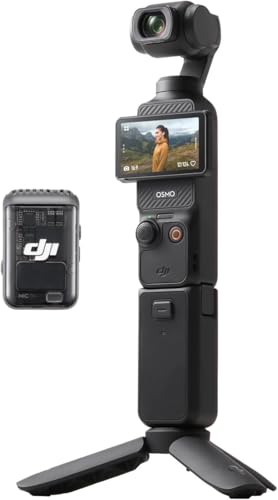
DJI Osmo Pocket 3
★★★★★ 4.4 / 5 Best pocket camera
The DJI Osmo Pocket 3 packs a 1-inch sensor and a 3-axis gimbal into a pocket-sized device, delivering incredibly stable 4K video. It's perfect for travel and on-the-go creators.
Sensor 1-inch CMOSVideo 4K 120pStabilization 3-axis gimbal
- Ultra-portable and lightweight
- Built-in gimbal for buttery smooth footage
- Great low-light performance for its size
- Easy to use with touchscreen
- Fixed lens limits flexibility
- Small sensor compared to larger cameras
Best for: Travelers and casual creators who want a pocket-sized camera with built-in stabilization.
Buy it if: Buy this if you prioritize portability and ease of use, and want to capture smooth video without extra gear.
Skip it if: Avoid if you need interchangeable lenses or professional manual controls.
Alternative to consider: GoPro Hero 12 Black
Choosing the best camera for recording high-quality videos can be overwhelming with so many options on the market. Whether you're a vlogger, a filmmaker, or a content creator, the right camera can elevate your work. Our editorial team compared specifications, buyer feedback, and key decision factors to bring you this definitive roundup.
What to Look for in a Video Camera
Before diving into our picks, it's essential to understand the specs that matter most for video recording. Here's a breakdown of what to consider:
- Sensor size: Larger sensors (full-frame) generally offer better low-light performance and shallower depth of field, which can create a cinematic look. However, smaller sensors (APS-C, Micro Four Thirds) are more compact and affordable.
- Video resolution and frame rate: 4K is now standard, but 6K or 8K can provide more flexibility for cropping and future-proofing. Frame rates like 60fps or 120fps allow for smooth slow motion.
- Bit depth: 10-bit color depth provides more color grading flexibility and reduces banding, essential for professional work.
- Autofocus: Reliable autofocus with face and eye tracking is a game-changer for vlogging and run-and-gun shooting.
- In-body stabilization (IBIS): Helps reduce camera shake, especially when shooting handheld.
- Recording limits: Some cameras have a 30-minute limit, which can be frustrating for events or interviews. Look for unlimited recording.
- Log profiles: Features like S-Log, C-Log, or V-Log allow for better dynamic range and color grading in post-production.
Common Mistakes to Avoid When Buying a Video Camera
Many buyers make avoidable mistakes when choosing a camera. Here are some pitfalls to steer clear of:
- Focusing only on megapixels: For video, sensor size and video features matter more than still resolution. A 12MP camera like the Sony ZV-E1 can outperform a 33MP camera in video quality.
- Ignoring autofocus performance: If you shoot moving subjects, a camera with poor autofocus will frustrate you. Test autofocus in real-world scenarios.
- Overlooking lens ecosystem: Consider the availability and cost of lenses for the system. A great camera body is useless without quality lenses.
- Not considering audio: Built-in microphones are often inadequate. Look for a camera with a headphone jack and external mic input.
- Forgetting about workflow: Think about file sizes, codecs, and your computer's ability to edit them. High-bitrate 10-bit files require powerful hardware.
Our Top Picks Explained
Sony A7 IV: Best Overall
The Sony A7 IV is our best overall pick because it offers a winning combination of video quality, autofocus, and versatility. It records 4K 60p in 10-bit 4:2:2, which is excellent for color grading. The 33MP full-frame sensor also delivers stunning stills, making it a true hybrid camera. The flip-out screen and robust autofocus system make it a joy to use for both solo creators and professionals.
Canon EOS R6 Mark II: Best for Autofocus
If autofocus is your top priority, the Canon EOS R6 Mark II is hard to beat. Its Dual Pixel CMOS AF II system is incredibly reliable, even in low light. The camera oversamples 4K from a 6K sensor, resulting in sharp, detailed footage. It's a great choice for event videography where you need to track subjects quickly.
Panasonic Lumix GH6: Best for Pro Video
The Panasonic GH6 is a Micro Four Thirds camera that punches above its weight. It offers 5.7K 60p recording, unlimited recording times, and a host of professional codecs like ProRes and BRAW. The in-body stabilization is among the best in class, making it ideal for handheld shooting. However, the smaller sensor means it's not as strong in low light as full-frame rivals.
Sony ZV-E1: Best for Vlogging
For vloggers, the Sony ZV-E1 is a game-changer. It's a full-frame camera in a compact body, with a flip-out screen and AI-based auto framing that keeps you centered in the frame. It records 4K 120p for smooth slow motion and has excellent low-light performance. The lack of a viewfinder and single card slot are minor drawbacks for its target audience.
DJI Osmo Pocket 3: Best for Portability
If you want a camera you can take anywhere, the DJI Osmo Pocket 3 is the ultimate travel companion. Its 1-inch sensor and built-in 3-axis gimbal deliver incredibly stable 4K footage in a pocket-sized device. It's perfect for travel vlogs, family events, or as a B-camera. The fixed lens limits creativity, but for many users, the convenience outweighs that.
Final Thoughts
Ultimately, the best camera for recording high-quality videos depends on your specific needs and budget. The Sony A7 IV is our top recommendation for its all-around excellence, but the Canon R6 Mark II, Panasonic GH6, Sony ZV-E1, and DJI Osmo Pocket 3 each have their strengths. Consider what you'll be shooting, your budget, and the features that matter most to you. And remember, the best camera is the one you have with you, so choose one that you'll actually use.
Questions people ask
What is the best camera for recording high-quality videos?
The Sony A7 IV is our top pick for most videographers, offering excellent 4K 60p video, reliable autofocus, and a full-frame sensor. For vlogging, the Sony ZV-E1 is a great compact option, while the Panasonic GH6 is ideal for professional filmmaking.
What specs matter most for video recording?
Key specs include sensor size, video resolution and frame rate, bit depth (10-bit for color grading), autofocus system, in-body stabilization, and recording limits. Also consider the availability of log profiles and external recording options.
Do I need a full-frame camera for video?
Not necessarily. Full-frame cameras offer better low-light performance and shallow depth of field, but APS-C and Micro Four Thirds cameras can produce excellent video at lower cost and with smaller lenses. Choose based on your needs and budget.
Can I use a DSLR for video recording?
Yes, many DSLRs can record high-quality video, but mirrorless cameras are generally better for video due to features like electronic viewfinders, faster autofocus, and more advanced video modes. However, some DSLRs like the Canon EOS 5D Mark IV are still capable.
How important is autofocus for video?
Autofocus is crucial for vlogging, interviews, and any situation where you or your subject is moving. Modern cameras with eye-tracking and subject recognition can make a huge difference in keeping your footage sharp.
The bottom lineSo which one?
After comparing specifications, buyer feedback, and key decision factors, the Sony A7 IV stands out as the best overall camera for recording high-quality videos. Its combination of full-frame sensor, 4K 60p 10-bit recording, and superb autofocus makes it a versatile tool for any videographer. If you're a vlogger, the Sony ZV-E1 is a fantastic alternative, and for those on a budget, the DJI Osmo Pocket 3 offers incredible value in a tiny package.