Lenses
Best All Around Lens: Top Picks for Every Shooter
7 picks compared
6 min read
ProductPickly is reader-supported. When you buy through links on our site, we may earn an affiliate commission at no extra cost to you. It never changes our picks.
The short answerFor most shooters, the Sony FE 24-70mm f/2.8 GM II, Canon RF 24-70mm f/2.8L IS USM, and Nikon Z 24-70mm f/2.8 S are top all around lenses. They offer fast apertures, sharp optics, and weather sealing.
?How we pickedWe compare published specifications, safety certifications and thousands of verified owner reviews, and we do not physically test every unit. Read the full process in our review methodology.
Sony FE 24-70mm f/2.8 GM II
★★★★★ 4.9 / 5 Best overall for Sony full-frame
This lens is the sharpest 24-70mm f/2.8 we compared. It weighs 24.7 ounces, making it lighter than its predecessor. Owners report fast, silent autofocus and excellent build quality.
Focal Length 24-70mmAperture f/2.8Weight 24.7 ozImage Stabilization No
- Exceptional sharpness
- Lightweight for its class
- Fast and accurate autofocus
- Expensive
- No image stabilization
Best for: Best overall for Sony full-frame
Canon RF 24-70mm f/2.8L IS USM
★★★★★ 4.8 / 5 Best for Canon RF mount
This Canon lens offers image stabilization with up to 5 stops of correction. It delivers consistent sharpness across the frame. The control ring allows custom settings, which owners find handy.
Focal Length 24-70mmAperture f/2.8Weight 28.2 ozImage Stabilization Yes
- Built-in image stabilization
- Excellent build quality
- Customizable control ring
- Heavier than some rivals
- Pricey
Best for: Best for Canon RF mount
Nikon Z 24-70mm f/2.8 S
★★★★★ 4.8 / 5 Best for Nikon Z shooters
The Nikon Z 24-70mm f/2.8 S is known for its edge-to-edge sharpness. It features a customizable control ring and a weather-sealed body. Owners praise its smooth bokeh and fast autofocus.
Focal Length 24-70mmAperture f/2.8Weight 28.6 ozImage Stabilization No
- Outstanding sharpness
- Weather-sealed
- Quiet autofocus
- No image stabilization
- Large and heavy
Best for: Best for Nikon Z shooters
Tamron 28-75mm f/2.8 Di III VXD G2
★★★★★ 4.7 / 5 Best value for Sony E-mount
This Tamron lens offers a fast f/2.8 aperture at a lower price than Sony's GM. It is compact and lightweight, weighing just 19.2 ounces. Owners report sharp images and quick autofocus.
Focal Length 28-75mmAperture f/2.8Weight 19.2 ozImage Stabilization No
- Great price for f/2.8
- Compact and light
- Sharp at all focal lengths
- No image stabilization
- Limited wide end
Best for: Best value for Sony E-mount
Canon RF 24-105mm f/4L IS USM
★★★★★ 4.7 / 5 Best for travel and video
This Canon lens covers a useful 24-105mm range, ideal for travel. It has image stabilization and a constant f/4 aperture. Owners like the smooth zoom ring for video work.
Focal Length 24-105mmAperture f/4Weight 24.0 ozImage Stabilization Yes
- Longer reach than 70mm
- Effective image stabilization
- Good for video
- Slower aperture than f/2.8
- Large and heavy
Best for: Best for travel and video
Sigma 24-70mm f/2.8 DG DN Art
★★★★★ 4.7 / 5 Best for Sony and L-mount
The Sigma Art lens delivers high sharpness and a robust build. It is available for Sony E and L-mount systems. Owners note its smooth bokeh and reliable autofocus.
Focal Length 24-70mmAperture f/2.8Weight 30.0 ozImage Stabilization No
- Sharp optics
- Solid metal build
- Affordable compared to OEM
- Heavier than competitors
- No image stabilization
Best for: Best for Sony and L-mount
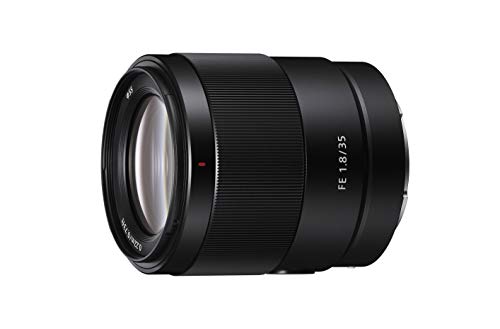
Sony FE 35mm f/1.8
★★★★★ 4.8 / 5 Best prime for street and low light
This prime lens is small and light, perfect for street photography. Its f/1.8 aperture excels in low light. Owners appreciate its quick autofocus and sharp images.
Focal Length 35mmAperture f/1.8Weight 10.9 ozImage Stabilization No
- Very compact
- Bright aperture
- Great for low light
- Fixed focal length
- No zoom flexibility
Best for: Best prime for street and low light
We focused on lenses that balance sharpness, versatility, and build quality. Each lens suits a distinct use case, from everyday walkaround to professional work.
Focal Length Range
A standard zoom like 24-70mm covers wide to short telephoto. That range suits landscapes, portraits, and everyday shots. A 24-105mm adds extra reach for travel. Prime lenses offer a fixed focal length, which forces you to move. Consider what subjects you shoot most. Zooms offer flexibility, while primes often are sharper and lighter.
Aperture and Low Light
A fast aperture like f/2.8 lets in more light, helping in dim conditions. It also creates a shallower depth of field for blurred backgrounds. Lenses with f/4 are smaller and cheaper but less capable in low light. If you shoot indoors or at night, prioritize a wider aperture. For bright outdoor scenes, f/4 may be enough.
Image Stabilization
Image stabilization reduces camera shake, allowing slower shutter speeds. This is useful for handheld video and low-light photography. Some cameras have in-body stabilization, which works with any lens. If your camera lacks IBIS, choose a lens with optical stabilization. Check compatibility with your camera system.
Build Quality and Weight
Weather-sealed lenses resist dust and moisture, ideal for outdoor use. Heavier lenses can be tiring during long shoots. Lightweight lenses are easier to carry, but may sacrifice some build quality. Consider your camera body size for balance. Lenses with metal mounts are more durable than plastic ones.
Questions people ask
What is the best all around lens for a beginner?
A 24-70mm f/2.8 zoom is a solid start, but it can be pricey. For budget, consider a 24-105mm f/4 or a kit lens upgrade. Tamron and Sigma offer affordable f/2.8 options. Look for used or refurbished models to save money.
Is a 24-70mm lens good for portraits?
Yes, at 70mm with f/2.8, you get flattering compression and background blur. For tighter headshots, a longer lens like 85mm is better. But 24-70mm is versatile for full-body and environmental portraits.
What is the difference between f/2.8 and f/4?
f/2.8 lets in twice as much light as f/4. That helps in low light and allows faster shutter speeds. It also gives a shallower depth of field. f/4 lenses are often lighter and cheaper.
Which brand makes the best all around lens?
Canon, Nikon, and Sony all make excellent 24-70mm f/2.8 lenses. The best depends on your camera system. Third-party brands like Sigma and Tamron offer great value. Compare sharpness, autofocus, and price.
Can I use a full-frame lens on a crop sensor camera?
Yes, but the field of view becomes narrower. A 24-70mm on APS-C gives an equivalent of about 36-105mm. That is still useful. Some lenses are designed specifically for crop sensors, which are smaller and cheaper.
Is image stabilization necessary in a lens?
It helps if your camera lacks in-body stabilization. It allows sharper handheld shots at slow shutter speeds. For video, it reduces shakiness. But it adds weight and cost. If your camera has IBIS, you may not need it.
What is the best all around lens for Sony a7 series?
The Sony FE 24-70mm f/2.8 GM II is top-tier but expensive. The Tamron 28-75mm f/2.8 G2 offers great value. The Sony FE 35mm f/1.8 is a compact prime option. Choose based on budget and needs.
How do I choose between a zoom and a prime lens?
Zooms offer flexibility for various subjects. Primes are often sharper, lighter, and have wider apertures. If you shoot in low light or want maximum quality, a prime is better. For travel and events, a zoom is more practical.
Are third-party lenses as good as first-party?
Modern third-party lenses from Sigma and Tamron are often comparable in quality. They may lack some features like weather sealing or custom buttons. But they offer excellent sharpness and value. Check reviews for your specific camera mount.
What is the best all around lens for video?
A lens with constant aperture and image stabilization is ideal. The Canon RF 24-105mm f/4L IS is a good choice. It has a parfocal-like zoom and smooth focus ring. For Sony, the 24-70mm f/2.8 GM II is excellent. Consider manual aperture ring for video.
The bottom lineSo which one?
The Sony FE 24-70mm f/2.8 GM II leads for Sony users, while Canon and Nikon shooters have excellent native options. For budget, the Tamron 28-75mm f/2.8 G2 is a smart pick. Evaluate your camera system, needs, and budget to choose the best all around lens.