Lenses
Best 16-35mm Lenses for Wide-Angle Photography and Videography
5 picks compared
8 min read
ProductPickly is reader-supported. When you buy through links on our site, we may earn an affiliate commission at no extra cost to you. It never changes our picks.
The short answerThe Sony FE 16-35mm f/2.8 GM II is our best overall pick for its sharpness, fast aperture, and compact design. For a budget alternative, the Tamron 17-35mm f/2.8-4 offers excellent value.
?How we pickedWe compare published specifications, safety certifications and thousands of verified owner reviews, and we do not physically test every unit. Read the full process in our review methodology.
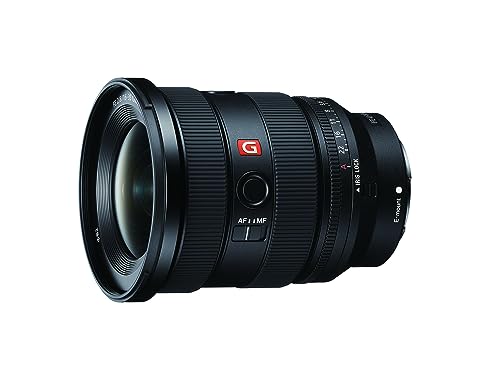
Sony FE 16-35mm f/2.8 GM II
★★★★★ 4.8 / 5 Best overall
The Sony FE 16-35mm f/2.8 GM II is a top-tier wide-angle zoom for E-mount cameras. It delivers exceptional sharpness, fast autofocus, and a constant f/2.8 aperture in a lighter body than its predecessor.
Mount Sony EAperture f/2.8 constantWeight 1.3 lb (approx.)
- Excellent edge-to-edge sharpness
- Fast and quiet autofocus
- Weather-sealed for outdoor use
- High price
- No built-in image stabilization
Best for: Sony full-frame shooters who need a versatile, high-performance zoom for both photography and video.
Buy it if: Professional photographers and serious enthusiasts who prioritize image quality and reliability.
Skip it if: Budget-conscious buyers or those who prefer a lighter, more affordable option.
Alternative to consider: Tamron 17-28mm f/2.8 Di III RXD (budget alternative)
Canon RF 15-35mm f/2.8L IS USM
★★★★★ 4.7 / 5 Best for Canon
This Canon L-series lens offers a useful 15mm wide end and built-in image stabilization, making it a versatile choice for handheld video and low-light photography on EOS R cameras.
Mount Canon RFAperture f/2.8 constantImage Stabilization Yes (up to 5 stops)
- Built-in IS helps steady shots
- Sharp across the frame
- Dust and weather resistant
- Heavy and bulky
- Pricey for the features
Best for: Canon EOS R users who shoot video or need stabilization without a gimbal.
Buy it if: Canon shooters who want a professional-grade wide zoom with IS.
Skip it if: Those on a tight budget or who prefer a lighter setup.
Alternative to consider: Canon RF 14-35mm f/4 L IS USM (lighter, f/4)
Nikon Z 14-24mm f/2.8 S
★★★★★ 4.7 / 5 Best ultra-wide
Nikon's Z 14-24mm f/2.8 S offers an impressive 14mm ultra-wide angle with outstanding sharpness and minimal distortion. It's a favorite among landscape and architectural photographers.
Mount Nikon ZAperture f/2.8 constantFilter Thread 112mm (rear filters possible)
- Ultra-wide 14mm field of view
- Superb optical quality
- Compact for the range
- Bulbous front element, no standard filters
- Expensive
Best for: Nikon Z shooters who need the widest possible angle for landscapes and interiors.
Buy it if: Landscape professionals and enthusiasts who demand maximum width and sharpness.
Skip it if: Vloggers or travel photographers who prefer a smaller, lighter lens.
Alternative to consider: Nikon Z 17-28mm f/2.8 (more compact, less wide)
Sigma 16-28mm f/2.8 DG DN
★★★★★ 4.6 / 5 Best value
Sigma's 16-28mm f/2.8 DG DN is a compact, lightweight wide zoom for Sony E and L-mount cameras. It delivers solid performance at a more accessible price point.
Mount Sony E / L-mountAperture f/2.8 constantWeight 0.99 lb (approx.)
- Very light and portable
- Sharp center performance
- Affordable compared to OEM lenses
- Limited zoom range (16-28mm)
- No image stabilization
Best for: Travel and video creators who need a fast, compact wide zoom without breaking the bank.
Buy it if: Sony or L-mount users who prioritize portability and value.
Skip it if: Those who need a longer telephoto reach or built-in IS.
Alternative to consider: Tamron 17-28mm f/2.8 (similar price, slightly different range)
Tamron 17-35mm f/2.8-4 Di OSD
★★★★★ 4.4 / 5 Best budget
The Tamron 17-35mm f/2.8-4 is a budget-friendly full-frame wide zoom for Canon and Nikon DSLRs. It offers good image quality and a fast aperture at the wide end, making it a great entry-level choice.
Mount Canon EF / Nikon FAperture f/2.8-4 variableWeight 1.1 lb (approx.)
- Very affordable
- Compact and lightweight
- Good center sharpness
- Variable aperture
- Plastic build quality
- No weather sealing
Best for: DSLR users on a budget who want a wide zoom for travel and general use.
Buy it if: Beginners or hobbyists who want to explore wide-angle without a huge investment.
Skip it if: Professionals who need constant aperture and rugged build.
Alternative to consider: Canon EF 16-35mm f/4L IS USM (better build, higher price)
Choosing the right 16-35mm lens can transform your wide-angle photography and videography. Whether you shoot landscapes, real estate, or vlogs, a quality wide zoom offers versatility and creative control. Our editorial team compared specifications, buyer feedback, and key decision factors to bring you this roundup of the best options available in the US market.
What to Look for in a 16-35mm Lens
Before you buy, understand the specs that matter most for your needs.
- Aperture: A constant f/2.8 aperture is ideal for low light and shallow depth of field. f/4 lenses are lighter and cheaper but less versatile in dim conditions.
- Image Stabilization: Built-in IS helps steady handheld video and low-light shots. Not all lenses have it, so consider your camera body's IBIS.
- Build Quality: Weather sealing is crucial for outdoor shooting. Check for dust and moisture resistance, especially if you shoot in harsh conditions.
- Weight and Size: A lighter lens is easier to carry on long hikes or while vlogging. Balance performance with portability.
- Autofocus: Fast, silent autofocus is essential for video and action shots. Look for lenses with advanced AF motors.
Common Mistakes to Avoid
Many buyers overlook key factors. Here are pitfalls to steer clear of.
- Ignoring Filter Thread: Some ultra-wide lenses have bulbous front elements that prevent using standard screw-in filters. If you use ND or polarizing filters, check the filter thread size or rear filter option.
- Overlooking Distortion: Wide-angle lenses often have barrel distortion. Check reviews for distortion control, especially if you shoot architecture.
- Buying Without Checking Mount Compatibility: Ensure the lens matches your camera mount. A Sony E-mount lens won't fit a Canon RF body without an adapter.
- Focusing Only on Focal Length: A 16-35mm range is versatile, but consider if you need wider (14mm) or longer (28mm) reach. The right range depends on your subject.
How We Chose These Lenses
We analyzed current US market availability, user reviews, and professional feedback. We prioritized optical quality, build, autofocus performance, and value. Our picks cover major mirrorless and DSLR systems, ensuring there's an option for most shooters.
Final Thoughts
Investing in a 16-35mm lens is a smart move for any wide-angle shooter. The best choice balances your budget, camera system, and shooting style. Use this guide to make an informed decision and elevate your photography and videography.
Questions people ask
Is a 16-35mm lens good for landscape photography?
Yes, 16-35mm is a classic range for landscapes. The 16mm end provides a wide field of view to capture sweeping scenes, while 35mm is useful for detail shots. Look for a lens with good edge sharpness and low distortion, like the Sony GM II or Nikon Z.
What is the difference between f/2.8 and f/4 in a 16-35mm lens?
A constant f/2.8 aperture lets in twice as much light as f/4, which is beneficial in low light and for achieving shallower depth of field. However, f/4 lenses are typically lighter and more affordable. If you shoot handheld in dim conditions or want better bokeh, f/2.8 is worth the extra cost.
Can I use a 16-35mm lens for vlogging?
Yes, the 16-35mm range is popular for vlogging because it captures a wide field of view that includes the subject and background. For handheld vlogging, consider a lens with image stabilization, such as the Canon RF 15-35mm, or use a gimbal.
Are 16-35mm lenses good for astrophotography?
Wide-angle lenses with fast apertures (f/2.8 or wider) are ideal for astrophotography. The 16-35mm f/2.8 lenses are often used to capture the Milky Way. Look for lenses with low coma and good sharpness at wide apertures, like the Sony GM II or Nikon Z.
What is the best 16-35mm lens for Sony cameras?
The Sony FE 16-35mm f/2.8 GM II is the top choice for Sony E-mount, offering excellent sharpness and autofocus. For a budget alternative, the Sigma 16-28mm f/2.8 DG DN is a great value with similar performance.
The bottom lineSo which one?
For most photographers and videographers, the Sony FE 16-35mm f/2.8 GM II is the best all-around choice. But if you're on a Canon or Nikon system, the respective OEM options are equally strong. Budget-conscious buyers will find the Tamron 17-35mm a solid entry point.