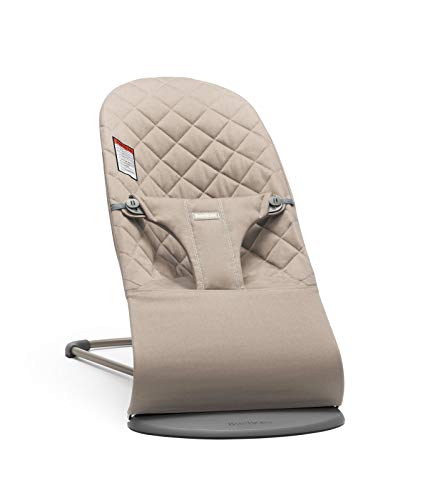
A baby bouncer can be a lifesaver for parents who need a safe place to set their little one down for a few minutes. But knowing when to start and stop using one is crucial for your baby's safety and development. This guide explains the right age, developmental milestones, safety rules, and clear signs that it's time to retire the bouncer.
Age and Developmental Milestones
Most baby bouncers are suitable from birth, but only if they provide adequate head and neck support. Newborns have very weak neck muscles and cannot hold their heads up. A bouncer with a fully reclined seat and a supportive headrest is essential. Always check the product label for the minimum age and weight requirements. Some bouncers are rated for babies as light as 5 pounds, while others start at 7 or 8 pounds.
Between 3 and 6 months, babies gain better head control, making bouncers more comfortable. At this stage, you can use a bouncer with a slightly more upright position, but the seat should still support the back and neck. By 6 months, many babies can sit with support, but they may still enjoy the gentle rocking motion of a bouncer. However, once your baby becomes more mobile, the bouncer becomes less safe.
Here are the key developmental milestones to consider:
- Newborn to 3 months: Use only a fully reclined bouncer with head support. Keep sessions very short, no more than 10 to 15 minutes.
- 3 to 6 months: Head control improves. You can use a semi-reclined position, but always supervise. Limit each session to 20 to 30 minutes.
- 6 to 9 months: Many babies can sit up on their own. If your baby can pull up or roll over, stop using the bouncer immediately.
Remember, every baby develops at their own pace. The milestones above are general guidelines. Always prioritize your baby's individual abilities and the manufacturer's recommendations.
Safety Guidelines for Bouncer Use
Safety is non-negotiable when using a baby bouncer. Follow these guidelines to reduce the risk of injury or developmental issues:
- Always supervise: Never leave your baby unattended in a bouncer, even for a moment. Babies can wiggle or tip the bouncer over.
- Use on the floor only: Place the bouncer on a flat, stable surface. Never put it on a table, counter, bed, or any elevated surface, as the bouncer can slide off.
- Check the straps: Always use the safety harness, even for newborns. Ensure the straps are snug but not too tight. Adjust them as your baby grows.
- Follow weight limits: Every bouncer has a maximum weight limit, usually around 20 to 25 pounds. Exceeding this can cause the bouncer to tip or break.
- Position correctly: Keep the bouncer in a reclined position for younger babies. As your baby gains head control, you can raise the seat, but never to a fully upright position until they can sit independently.
- Avoid overuse: Limit total time in the bouncer to no more than 2 hours per day. Prolonged use can delay motor skills and cause flat spots on the head.
- Keep toys safe: If the bouncer has a toy bar, ensure toys are securely attached and out of your baby's mouth. Remove any dangling strings or small parts.
- Inspect regularly: Check for loose screws, tears, or worn fabric. Stop using if any part is damaged.
Our editorial team compared specifications, buyer feedback, and key decision factors to compile these safety tips. Always read the instruction manual that comes with your bouncer for specific warnings.
Usage Limits and Signs to Stop
Knowing when to stop using a bouncer is just as important as knowing when to start. Here are the clear signs that your baby has outgrown the bouncer:
- Weight limit reached: Once your baby hits the maximum weight, the bouncer is no longer safe. Check the label for the limit.
- Rolling over: If your baby can roll over in the bouncer, they may end up in a dangerous position. Stop using it immediately.
- Attempting to climb out: If your baby tries to pull themselves up or over the sides, it's time to switch to a safer activity area.
- Sitting up independently: Once your baby can sit up on their own, they need more space to practice. A bouncer restricts movement and can delay development.
- Discomfort or fussiness: If your baby cries or arches their back every time you place them in the bouncer, they may be uncomfortable or simply done with it.
Even if your baby hasn't reached these signs, limit each bouncer session to 20 to 30 minutes. Extended time in any container, including bouncers, swings, and car seats, can lead to positional plagiocephaly (flat head syndrome) and delayed gross motor skills. The American Academy of Pediatrics recommends that babies spend plenty of time on the floor for tummy time and free movement.
When you stop using the bouncer, transition to a stationary activity center or a play mat with age-appropriate toys. These allow your baby to move and explore safely. Always prioritize active play over passive seating.
In summary, a bouncer can be a helpful tool for short periods, but it is not a substitute for supervised floor time. Use it wisely, follow the safety rules, and stop as soon as your baby shows signs of readiness. Always check the current price on Amazon for the latest models that meet safety standards.