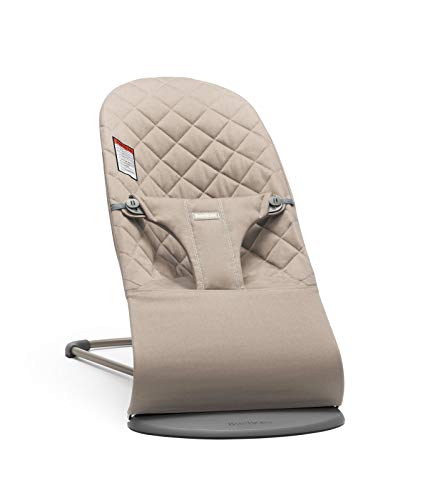
Most babies dislike bouncers because of a simple fix: adjust the recline angle, remove a layer of clothing, or move to a quieter room. Try one change at a time and keep sessions short.
Why Your Baby Hates the Bouncer
You bought the bouncer, set it up, and placed your baby inside with high hopes. Instead of coos, you get crying. Before you give up, know that this is a common problem with a handful of practical solutions. Our editorial team compared specifications, buyer feedback, and key decision factors to help you troubleshoot.
Babies are not being difficult on purpose. They are communicating discomfort. The bouncer might feel wrong, look wrong, or simply be too much. Here are the most common culprits.
1. The Recline Angle Is Off
Newborns need a nearly flat recline, around 10 to 15 degrees. If the seat is too upright, it puts pressure on their tiny spine and can make them feel like they are sliding. On the other hand, if it is too flat, they might feel unsupported. Check the manufacturer's instructions for the correct recline for your baby's age and weight.
2. Too Hot or Too Cold
Bouncer seats are often made of plush fabric that traps heat. If the room is warm or your baby is overdressed, they will get fussy quickly. Conversely, a drafty spot can make them cold. Feel the back of their neck to gauge temperature. If it is sweaty, remove a layer.
3. Overstimulation
Many bouncers come with dangling toys, lights, and music. While these are meant to entertain, they can overwhelm a young baby. Their nervous system is still developing, and too much input can cause crying. Try turning off the music and removing the toy bar to see if that helps.
4. The Seat Is Too Big or Too Small
If your baby is tiny, they might feel lost in a large seat. If they are older, the straps might dig in. Check that the harness fits snugly but not tightly. Some bouncers have adjustable inserts for smaller babies.
5. They Are Hungry or Tired
Sometimes the bouncer is not the problem. Babies cry when they are hungry, tired, or need a diaper change. Try feeding and burping first, then place them in the bouncer when they are calm and content.
How to Fix It: Step-by-Step
Follow these steps in order. Give each change a few minutes to see if your baby settles. Do not try everything at once, or you will not know what worked.
- Adjust the recline. Set the bouncer to the most reclined position for a newborn. As your baby gains head control, you can gradually raise it.
- Check the temperature. Keep the room between 68 and 72 degrees Fahrenheit. Dress your baby in light layers. Remove any fuzzy blankets from the seat.
- Reduce stimulation. Turn off music, remove the toy bar, and place the bouncer in a quiet corner away from the TV or window.
- Try a different time. Use the bouncer after a feeding when your baby is awake and alert, not when they are overtired.
- Add a familiar item. Place a muslin swaddle that smells like you in the seat. The familiar scent can be calming.
- Use the motion. Gently bounce the seat with your foot or hand. The rhythmic motion mimics being held.
- Keep sessions short. Start with 5 to 10 minutes. Gradually increase as your baby gets used to it.
- Check the harness. Make sure the straps are not twisted and the buckle is not pressing into their tummy.
When to Replace the Bouncer
If you have tried all the fixes and your baby still cries, it might be time to consider a different model or to retire the bouncer altogether. Here are signs that it is time to replace or stop using it.
Weight and Age Limits
Every bouncer has a weight limit, usually around 20 pounds. Once your baby exceeds that, the seat may tip or the frame may weaken. Also, if your baby can sit up independently, they should not be in a reclined bouncer anymore. They might try to climb out.
Wear and Tear
Inspect the frame for cracks, the fabric for tears, and the straps for fraying. If any part is damaged, stop using it immediately. Do not try to repair it yourself unless the manufacturer provides instructions.
Your Baby Has Outgrown It
Some babies simply outgrow the need for a bouncer. They want to move and explore. If your baby is around 6 months and trying to crawl, they may prefer a play mat or a jumper. Listen to your baby's cues.
Alternative Soothing Options
If the bouncer is not working, there are other ways to soothe your baby. A baby swing offers a different motion. A play gym on the floor encourages tummy time. Or simply hold your baby in your arms. There is no shame in skipping the bouncer.
Remember, every baby is different. What works for one may not work for another. Be patient and keep trying. The bouncer can be a useful tool, but it is not essential for every family.
If you decide to try a different bouncer, look for one with adjustable recline, breathable fabric, and a simple design. Check the current price on Amazon for popular models like the Fisher-Price Sweet Snugapuppy or the BabyBjorn Bouncer Balance Soft. Read reviews from other parents to see what worked for them.
In the end, the goal is a happy baby and a calm parent. With a few adjustments, you might find that your baby loves the bouncer after all. Give it time, and do not force it. Your baby will let you know when they are ready.