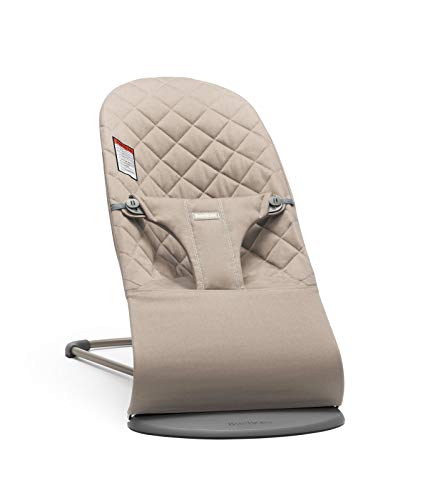
Most bounce issues are fixable: check springs, tighten screws, lubricate moving parts. For motorized bouncers, reset the motor or replace batteries. If the frame is cracked or springs are permanently stretched, replace the bouncer.
Why Your Baby Bouncer Loses Bounce
Baby bouncers rely on either springs, elastic bands, or a motorized mechanism to create a gentle bouncing motion. Over time, these components can wear out. The most common reasons for a bouncer losing its bounce include:
- Stretched or broken springs: Springs can lose tension after repeated use, especially if the bouncer is used beyond the weight limit. For example, a spring that originally had 10 coils may stretch to 12 coils, reducing bounce force.
- Worn elastic bands: Some bouncers use elastic cords that dry out and snap. A typical elastic band lasts about 6 months of daily use before needing replacement.
- Loose frame connections: Screws and bolts can loosen, making the frame wobble instead of bounce. This often happens after moving the bouncer between rooms.
- Motor issues (motorized bouncers): The motor may jam due to debris like lint or pet hair, or battery corrosion can cause intermittent power loss.
- Obstructions: Toys, blankets, or debris caught in the mechanism can prevent movement. Even a small toy wedged under the seat can stop the bounce.
How to Fix a Bouncer That Won't Bounce
Our editorial team compared buyer feedback and key decision factors to create these step-by-step fixes. Always unplug or remove batteries from motorized bouncers before starting any repair.
- Inspect the springs or elastic bands. For spring bouncers, check if the spring is stretched out or detached. If the spring is intact but stretched, you may need a replacement spring (contact the manufacturer for a compatible part). For elastic band bouncers, look for frayed or snapped bands. Replace them with the same type of band, typically available from the manufacturer or online retailers.
- Tighten all screws and bolts. Use a screwdriver to tighten any loose connections on the frame. Pay special attention to the joints where the seat attaches to the base. A loose screw can cause a 50% reduction in bounce amplitude.
- Lubricate moving parts. If the bouncer squeaks or sticks, apply a small amount of silicone lubricant to the spring ends and pivot points. Do not use oil-based lubricants as they can attract dirt. Apply one drop per pivot point and wipe off excess.
- Check for obstructions. Remove any toys, blankets, or debris that might be caught in the mechanism. For motorized bouncers, open the battery compartment and check for corrosion or loose wires. Use a cotton swab and vinegar to clean corroded contacts.
- Reset the motor (motorized bouncers). If the motor is not responding, unplug the bouncer or remove batteries for 30 seconds, then reconnect. If the motor still doesn't work, check the fuse or contact the manufacturer. Some models have a reset button under the seat.
- Test the bounce. After making repairs, gently push the seat down to see if the bounce has returned. If not, repeat the steps or consider replacement. A proper bounce should return to the original position within 2 seconds.
When to Contact the Manufacturer
If the bouncer is under warranty, contact the manufacturer before attempting any repair that might void it. Also reach out if you need replacement parts like springs or elastic bands. For motorized bouncers, if the motor fails and it's still under warranty, the manufacturer may send a replacement unit. Always keep your purchase receipt and model number handy. Many manufacturers have online chat support for quick troubleshooting.
Safety Checks Before Each Use
After any repair, perform these safety checks:
- Ensure the frame is stable and does not wobble. Place the bouncer on a flat surface and rock it gently; it should not tip.
- Check that springs or elastic bands are securely attached. Give each spring a gentle tug to confirm it is hooked properly.
- Verify that the seat fabric is not torn or frayed. Pay attention to seams near attachment points.
- For motorized bouncers, make sure the battery compartment is closed and secure. Loose batteries can cause short circuits.
- Confirm that the bouncer is on a flat, stable surface away from stairs or edges.
Manual vs. Motorized Bouncers: Different Issues
Manual Bouncers
Manual bouncers (spring or elastic-based) are simpler and easier to fix. The main issues are stretched springs or worn elastic bands. Replacement parts are often available online. Lubrication and tightening are usually enough to restore function. For example, a Fisher-Price manual bouncer often needs spring replacement after 12 months of use.
Motorized Bouncers
Motorized bouncers have more complex problems. Besides mechanical issues, they can have electrical faults. Always check batteries first. If the motor is jammed, try cleaning the gearbox with compressed air. If the motor hums but doesn't move, the gears may be stripped. In that case, contact the manufacturer. Never disassemble the motor unit yourself if it's under warranty. Some motorized bouncers have a fuse that can blow; check the user manual for fuse location and rating.
Preventive Maintenance Tips
To extend the life of your baby bouncer:
- Do not exceed the weight limit. Most bouncers have a limit of 20 pounds; exceeding it can damage springs permanently.
- Store the bouncer in a dry place away from direct sunlight. UV rays can degrade elastic bands and fabric.
- Clean the fabric according to the manufacturer's instructions. Use mild soap and water, and air dry completely before reassembly.
- Periodically tighten screws and lubricate moving parts. Do this every 3 months for optimal performance.
- For motorized bouncers, remove batteries if not used for a long time. Battery leakage can corrode contacts and damage the motor.
If you've tried these fixes and the bouncer still doesn't work properly, it may be time to replace it. Check the current price on Amazon for a new bouncer that meets current safety standards.